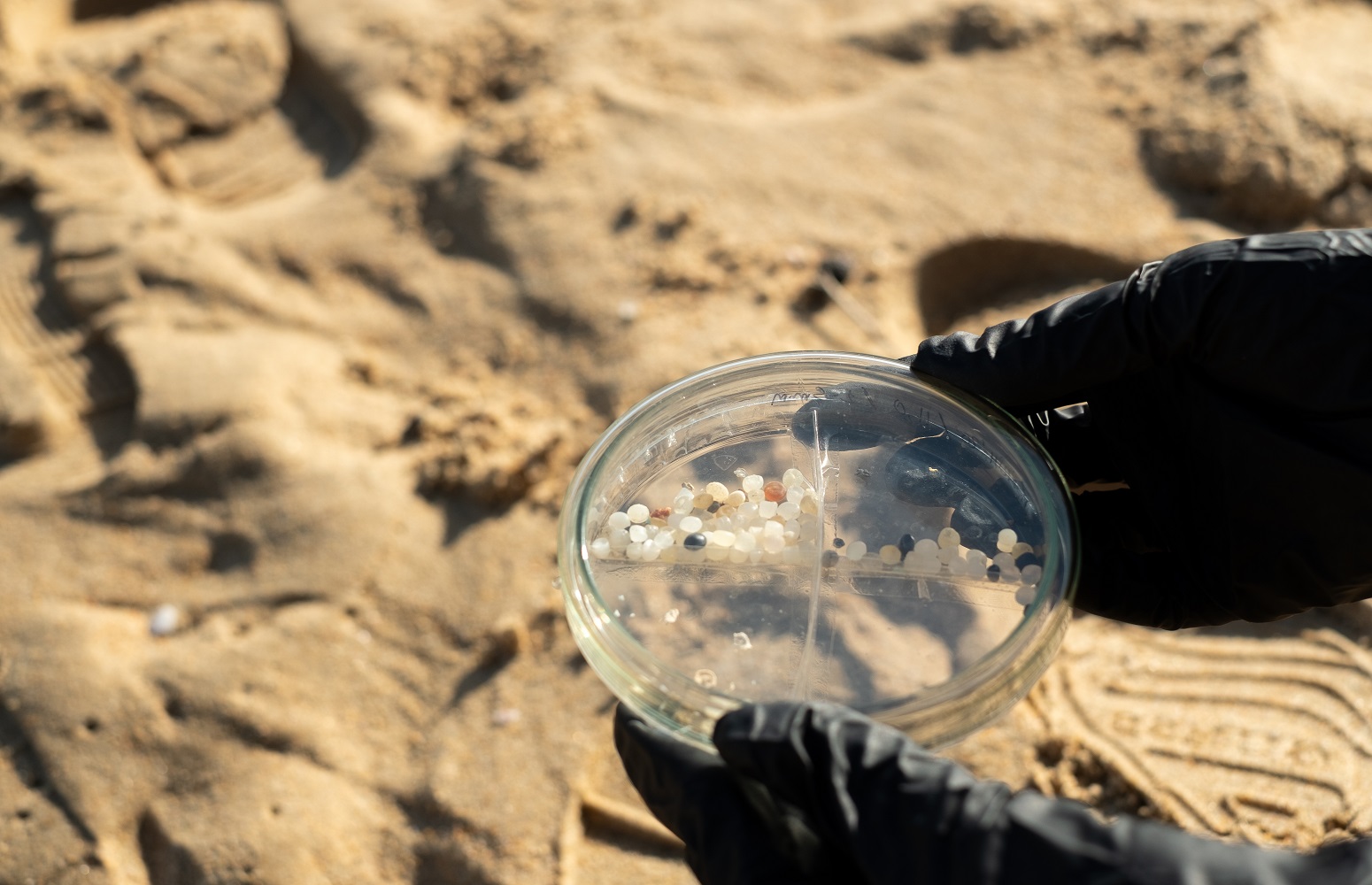
The presence of small plastic pellets on the beaches of Donostia and Orio has drawn attention to a little-studied source of pollution: leakage of industrial microplastics that reach the sea through stormwater drainage networks. Researchers in the Materials + Technologies Group at the EHU have identified two control parameters that would enable early detection of these losses to be made, and have proposed containment measures that can be easily incorporated into discharge regulations.
Proposing simple measures to prevent industry dumping plastic pellets into the sea
Researchers in the EHU’s Materials + Technologies Group identify two parameters to control losses, and the construction of underground tanks to contain leaks
- Research
First publication date: 12/03/2026
Every year, 1.7 million tonnes of plastic end up in the marine environment as waste. Due to their slow natural degradation, plastics accumulate in seas and oceans at a rate the long-term consequences of which remain uncertain. Microplastics (less than 5 mm in size) are a cause of great concern due to their ubiquity and their ability to enter the food chain. The Materials + Tecnologies Group (GMT) of the EHU-University of the Basque Country has focussed its attention on microplastics of industrial origin.
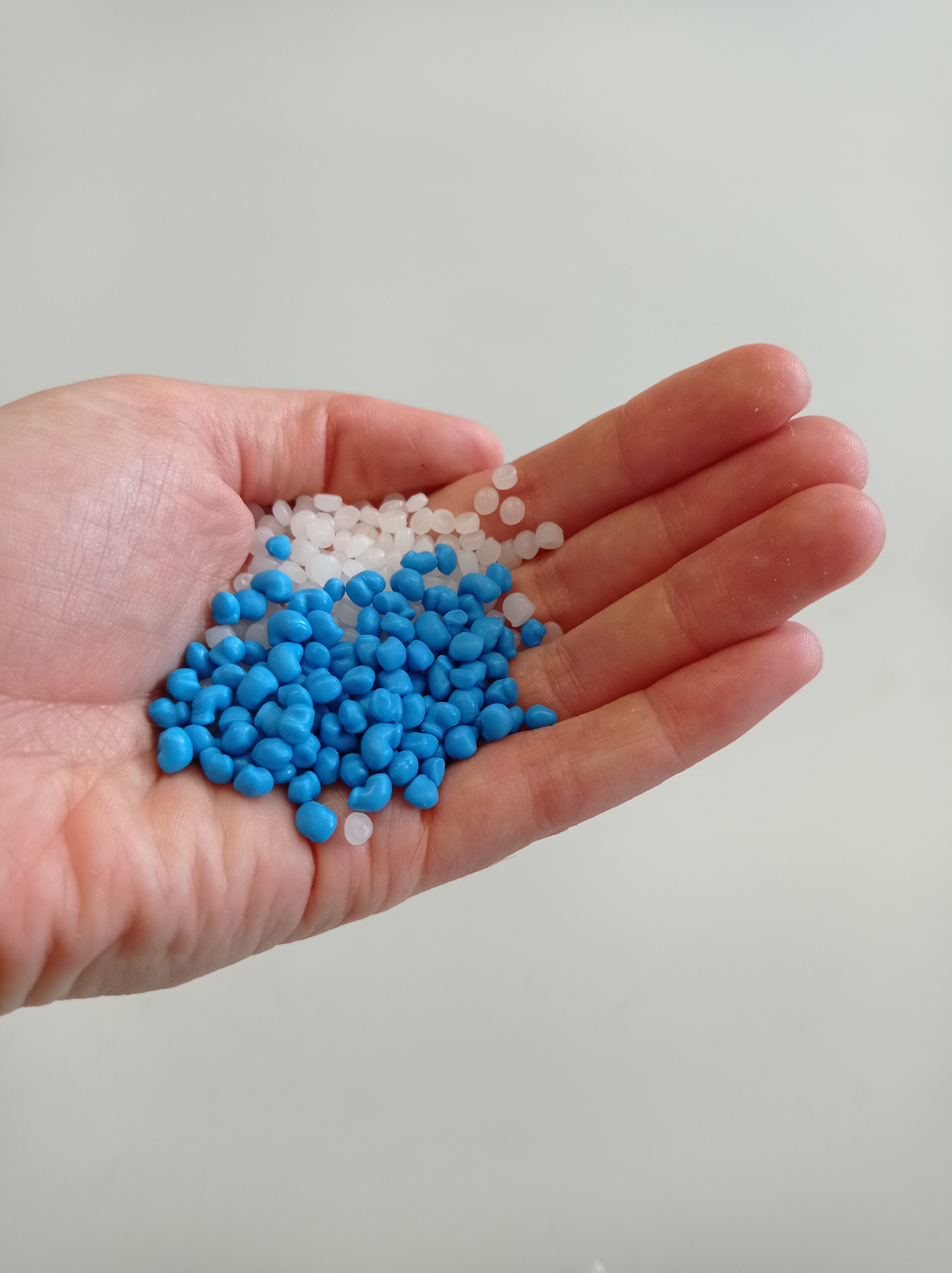
As part of the ItsasMikro project (funded by the Sustainability Department of the Charter Provincial Council of Gipuzkoa), the group observed “a significant presence of plastic pellets on the beaches of Donostia and Orio” over a two-year period. These are small plastic particles, about 2 or 3 mm in size, used in the manufacture of plastic products, which, "due to leaks, spills or industrial discharges, may end up in the sea through stormwater drains”, said Dra. Amaia Mendoza, the group’s researcher and lecturer. “The problem lies in the volume of rainwater that washes over the pavement of the facilities, because that is where a large proportion of these losses occur.”
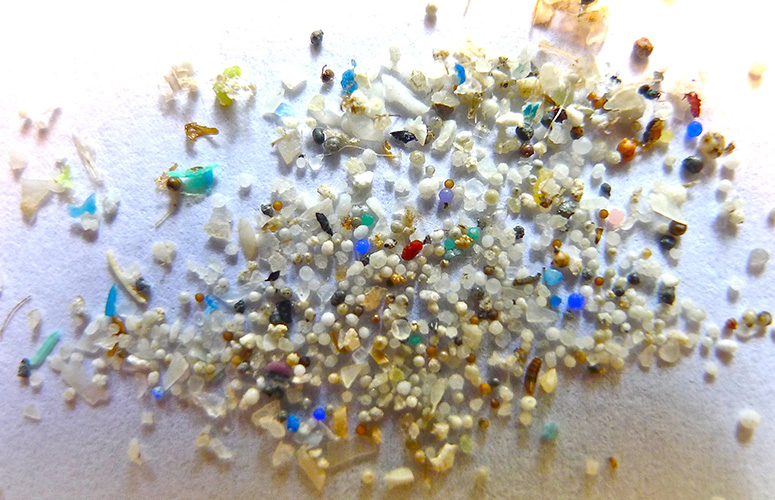
“Until now, most of the analysis has concentrated on the marine origin of microplastics (from fishing nets, the disintegration of larger plastic objects that have been poorly managed, etc.). What is more, there is now increasing talk of microplastics originating in agriculture. However, there is a considerable lack of knowledge about the contribution to microplastic pollution from industries, for example, from their use as raw materials or from materials used in construction such as thermal insulation," explained Mendoza.
Early warning sign
Out of all the standard parameters used in stormwater discharge controls by water quality control authorities, the GMT group identified two: “Suspended solids and volatile suspended solids can provide an early warning sign in the event of a leak of pellets or any other type of industrial microplastic, such as textile fibres, microspheres, etc.”
The European Commission has recently approved (November 2025) an initial regulation to control this type of pellet pollution, which covers both the handling and transport of plastic pellets and, above all, obliges the largest plastic handling companies to take measures to contain this type of material. However, the researcher pointed out that "although this is an important first step, it does not go any further. Currently, there are no official, internationally accepted standardised analysis parameters. Furthermore, other types of microplastics that originate in industry are not included”.
So the two parameters identified by the EHU group could easily be incorporated into the discharge authorisations for the plastics industry. “If, in the first instance, an analysis of these parameters yields values higher than the reference levels in stormwater, it would be necessary to check in the second instance whether pellets are actually present or not,” she explained. Monitoring these parameters at discharge control points within the plastic industry's stormwater networks “represents a technically, economically and environmentally advantageous strategy for preventing pellet spills, she added.
Containment measures
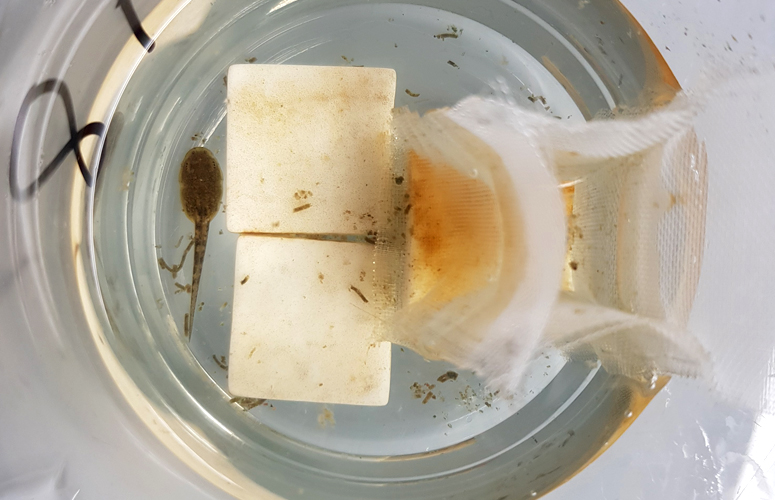
The EHU’s Materials + Technologies Group proposes a number of measures to contain this type of leakage, including the use of underground tanks: “Just as some facilities use underground tanks to contain and separate hydrocarbon leaks, industries that are potential sources of microplastics could use specially adapted underground tanks so that spilled microplastics can be separated by flotation.”
Mendoza insists that these are “tangible measures and tools” to curb a major problem: “These are measures and tools that are already being used in discharge regulations. They can be easily and economically incorporated into industries that are potential sources of microplastics. They would just need to be taken into account when issuing a waste discharge authorisation for this type of industry.” The GMT researcher also pointed out that “this can be extended to other types of industrial microplastics, such as those released by textile companies that use synthetic fibres, or microspheres used in industries, such as cosmetics,” and stressed the need to continue investigating the industrial origin of microplastics that invade the marine environment.
Additional information
This study was carried out by Amaia Mendoza-Larrañaga and Cristina Peña-Rodríguez of the GMT Materials + Technologies Group of the Faculty of Engineering - Gipuzkoa, and Ander García-Noblia, of the Faculty of Economics and Business - Gipuzkoa. The study was funded by the Department of Sustainability of the Charter Provincial Council of Gipuzkoa and was carried out in collaboration with the URA (Basque Water Authority), Azti and Agrupa Laboratories.
Amaia Mendoza lectures on the degree courses in Industrial Engineering and Civil Engineering and on the Master's in Sustainable Infrastructure and Construction
Bibliographic reference
- Prevention and control strategies for non-regulated industrial microplastic spills
- Marine Pollution Bulletin
- DOI: 10.1016/j.marpolbul.2026.119271