


Ricardo Arpad Perez Camargo
Electronic mail
- Email: ricardoarpad.perez@ehu.eus
BIO
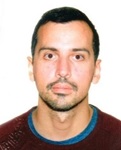
Ricardo Arpad Pérez Camargo is a highly accomplished Materials Engineer with M.Sc. degree from Simón Bolívar University (USB) in Caracas, Venezuela. He later pursued a PhD. in Applied Chemistry and Polymers Materials at the University of the Basque Country (UPV/EHU) in San Sebastián, Spain. He was awarded the President’s International Fellowship Initiative (PIFI) in 2019 to perform his postdoctoral research at the Chinese Academy of Science (ICCAS) in Beijing, China. He continued his research in China with funding from the China Postdoctoral Science Foundation and the National Natural Science Foundation of China (NSFC) until 2023. His research focuses on the structure, morphology, and crystallization kinetics of different polymeric systems, including homopolymers, random copolymers, particularly isodimorphic, and blends. His work has resulted in the publication of over 40 articles in Q1 journals, which is a testament to the quality of his research. During his time at ICCAS, Ricardo's research was recognized with the prestigious Young Scientists of Institute of Chemistry Award from CAS in 2021. In 2023, he was awarded the Advanced Manufacturing Research Fellowship Programme in the Basque-New Aquitaine Region (ADAGIO). This MSCA COFUND Post-doctoral programme allowed him to return to UPV/EHU. His research will focus on combining his expertise in crystallization with an innovative processing technique, such as 3D-printing, to process semicrystalline polymers.
Project
3D printing is a popular additive manufacturing technique that creates 3D-shaped solid objects quickly from computer-aided design models or 3D scans. The decreasing prices of additive manufacturing (AM) machines and advancements in modeling methods have further contributed to the growth of this technique. However, the range of polymeric materials available for 3D printing is currently limited to amorphous materials or those with low crystallinity. Semicrystalline materials offer better mechanical and thermal stability, but printing such materials requires exploration and understanding of how printing parameters affect their ultimate properties. The research work "3-D printing of poly (butylene succinate), PBS-based materials: Influence of the processing conditions on the ultimate properties and crystallization behavior" proposes a study of the printing process using materials based on PBS, a promising biodegradable material. The study includes pre-processing characterization and optimizing printing conditions, including using alternative thermal protocols like the self-nucleation protocol, to improve the properties of printed parts. The ultimate properties of the material, including degradation studies, will also be evaluated. Using PBS-based materials allows for exploring different degrees of crystallinity, which can address the issue of low interlayer adhesion commonly encountered in 3D printing. Establishing a relationship between material properties, processing conditions, and ultimate properties is expected. This knowledge will aid in developing promising materials like PBS and can be extrapolated to other materials, facilitating the printing of semicrystalline materials. The research aims to advance 3D printing as a primary processing technique for polymeric materials.
Results ≡
Awards:
Winner of the EPF Future Faculty and Researchers Award. This award recognizes outstanding young scientists who have made significant contributions to polymer science and engineering and are currently senior postdoctoral researchers in non-permanent positions within Europe.
Each of the awardees will present a Feature Talk at EPF 2025, where they will share their groundbreaking work with the international polymer community. Additionally, they will contribute an invited article to a Special Issue of POLYMER, further highlighting their innovative research.
Publications:
1. Shariatikia, F.; Sangroniz, L.; Olmedo-Martínez, J.L.; Pérez-Camargo, R.A.; González, Alba; Lenzi, L.; Degli Esposti, M.; Morselli, D.; Fabbri, P.; Müller, A.J. Effect of glycerol trilevulinate on the crystallization kinetics of biodegradable polyesters. ACS Sustainable Chemistry & Engineering, 2025, 13(12), 4884-4896.
2. Pérez-Camargo, R.A (corresponding author).; Torres, J.; Müller, A.J. Understanding Even-Odd Effects in the Crystallization of Polyethers, Polycarbonates, Polyesters, and Polyamides. Polymer, 2025, 324, 128233.
3. Chen, X.; Pérez-Camargo, R.A.; Ma, P.; Liao, Y.; Zhao, Y.; Dong, J-Y.; Dong, X.; Müller, A.J.; Wang, D. Impact of long-chain branching on polypropylene nucleation and crystallization over a wide temperature range without the influence of shear. Macromolecules, 2024, 57(24), 11599-11613.
4. Liao, Y.; Pérez-Camargo, R.A (corresponding author).; Ma, T.; Hu, W.; Maiz, J.; Martínez de Ilarduya, A.; Sardon, H.; Liu, G.; Wang, D.; Müller, A.J. Mixed Isodimorphic/Isomorphic Crystallization in Aliphatic Random Copolycarbonates Copolymers. Macromolecules, 2024, 57 (21), 10227-10239.
5. Safari, M.; Torres, J.; Pérez-Camargo, R.A (corresponding author).; Martínez de Ilarduya, A.; Mugica, A.; Zubitur, M.; Sardon, H.; Liu, G.; Wang, D.; Müller, A.J. How the aliphatic glycol chain length determines the pseudo-eutectic composition in biodegradable isodimorphic poly (alkylene succinate-ran-caprolactone) random copolyesters. Biomacromolecules, 2024., 25(11), 7392-7409.
6. Tariq, M.; Schäfer, M.; Pérez-Camargo, R.A.; Petzold, A.; Müller, A.J.; Saalwächter, K.; Thurn-Albrecht, T. Two-stage melting of near-symmetric statistical poly[(butylene succinate)-ran-(butylene adipate)]. Macromolecules, 2024, 57(15), 7360-7368.
7. Pérez-Camargo, R.A (corresponding author), Safari, M.; Torres Rodríguez, J.; Liao, Y.; Müller, A.J. Structure, morphology, and crystallization of isodimorphic random copolymers: Copolyesters, copolycarbonates, and copolyamides. Polymer, 2023, 287, 126412.
8. Liao, Y.; Pérez-Camargo, R.A.; Sardon, H.; Martínez de Ilarduya, A.; Hu, W.; Liu, G.; Wang, D.; Müller, A.J. Challenging Isodimorphism Concepts: Formation of Three Crystalline Phases in Poly (hexamethylene-ran-octamethylene carbonate) Copolymers. Macromolecules, 2023, 56 (20), 8199-8213.
Congresses:
• Pérez-Camargo,R.A.; Liao, Y.; Torres, J.; Safari, M.; Müller, A.J. New Crystallization Modes in Random Copolymers. European Polymer Congress (EPF 2025). Groningen, The Netherlands. June 2025 (Featured talk in the frame of EPF Future Faculty/Researcher in Polymer Science and Engineering).
• Pérez-Camargo,R.A.; Torres, J.; Müller, A.J. Understanding Even-Odd Effects in linear semi-crystalline polymers: Polyethers, Polycarbonates, Polyesters, and Polyamides. Ferrol Polymer Physics. Ferrol, Spain. May 2025 (abstract submitted for oral presentation).
• Pérez-Camargo,R.A.; Liao, Y.; Sardon, H.; Martínez de Ilarduya, A.; Hu, W.; Liu, G.; Wang, D.; Müller, A.J. Discovering New Crystallization Modes in Random Copolymers. EHU Euskampus Eguna 2024. Bordeaux, France. October 2024 (poster presentation).
• Pérez-Camargo,R.A.; Liao, Y.; Sardon, H.; Martínez de Ilarduya, A.; Hu, W.; Liu, G.; Wang, D.; Müller, A.J. Discovering New Crystallization Modes in Random Copolymers. International Discussion Meeting in Polymer Crystallization (IDMPC). Yonezawa, Japan. September 2024 (poster presentation).
• Pérez-Camargo, R.A. Understanding Isodimorphism in Random Copolymers: Current Advances and Perspectives. Polymat Day. San Sebastián, Spain. November 2023 (Oral presentation).
Dmytro Lesyk
Electronic mail
BIO
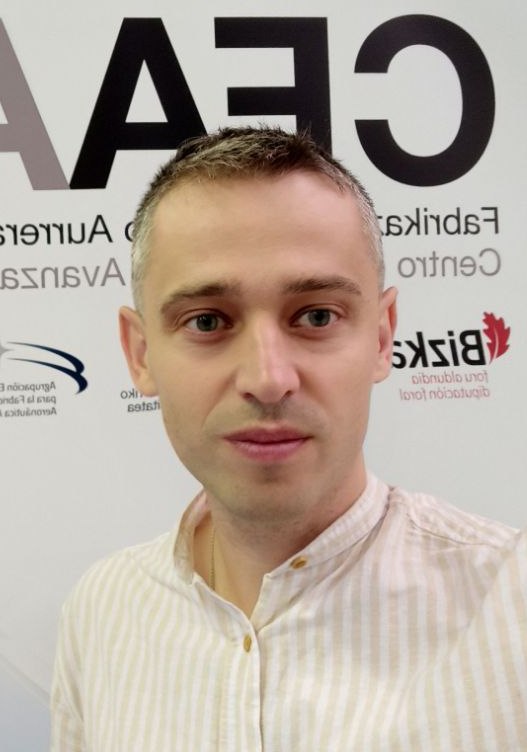
Dmytro Lesyk joined the Aeronautics Advanced Manufacturing Center (CFAA) of the University of the Basque Country (UPV/EHU) in October 2023 within the ADAGIO Post-doctoral Fellowship Programme under the Marie Sklodowska-Curie grant. His research project is focused on the Laser 3D printing and post-processing of aircraft products: Verifying structural and surface integrity to increase the operating life of heat-resistant superalloy parts. Dr. Dmytro Lesyk is also an Associate Professor at the Laser Systems and Advanced Technologies Department of the National Technical University of Ukraine ''Igor Sikorsky Kyiv Polytechnic Institute'' since 2021. He holds a Bachelor’s degree in Mechanical Engineering in 2009 and a Master’s degree majoring in ''Advanced Technology for Materials Processing'' in 2011 from the Igor Sikorsky Kyiv Polytechnic Institute. In 2016, he obtained his PhD degree majoring in "Processes of Physic-Technical Treatment" at the home institution. PhD thesis titled "Enhancing the surface integrity of steel parts by combined laser-ultrasonic treatment". In 2013-2014, he underwent PhD Fellowship training at the University of the Basque Country under the supervision of Prof. Aitzol Lamikiz within the Erasmus Mundus EWENT Program. Dr. Dmytro Lesyk was awarded the DAAD Research Grant for Doctoral Candidates and Young Academics and Scientists, working at the Otto von Guericke University Magdeburg, Germany in 2018-2019. He also was a Visiting Researcher at the University of Idaho, USA within the Fulbright Research and Development Program in 2022-2023. In 2022-2023, he also recently underwent Post-doctoral Fellowship training at the West Pomeranian University of Technology, Poland within the Ulam NAWA program.
PROJECT
The project is focused on advanced laser powder bed fusion (LPBF) additive manufacturing of superalloys applied for the production of responsible heat-proof and corrosion-resistant components. The LPBF technology is considered a new solution with the aim of weight, cost, and time reductions for the aircraft manufacturing industry. On the one hand, the LPBF process is a good additive manufacturing technique for the production of monolithic 3D objects with very complex shapes not achievable through traditional methods. On the other hand, given the safety regulations for aircraft products, the poor surface integrity and structural defects in the printed parts may limit the wider application of the LPBF technique for critical applications despite their vast potential. Therefore, both the optimization of the LPBF parameters and the development of new combined/hybrid post-processing techniques are very relevant as they may improve the surface quality and material properties in the LPBF-printed Ni-based alloy parts. Enhancing the operational properties of the LPBF-fabricated Inconel 718 alloy by novel post-processing techniques is under special attention.
Results ≡
Publications:
1) Effects of Ni-based powder reuse on porosity, surface quality and reproducibility of thin-walled structures in Laser Powder Bed Fusion process / D.A. Lesyk, S. Martinez, А. Lamikiz // Procedia CIRP. – 2024. – Vol. 124C. – pp. 89–92, https://doi.org/10.1016/j.procir.2024.08.077
2) Laser-based additive manufacturing and mechanical surface post-processing: Comparison of barrel finishing, shot and ultrasonic peening for corrosion resistance improvement of superalloy / D.A. Lesyk, B.M. Mordyuk, S. Martinez, V.V. Dzhemelinskyi, D. Grzesiak, D. Grochala, А. Lamikiz // Lasers in Manufacturing and Materials Processing. – 2023. – Vol. 10. – pp. 702–734, https://doi.org/10.1007/s40516-023-00231-8
3) Surface morphology and microstructural features of LPBF-printed superalloy turbine blade subjected to HIP, heat treatment and shot peening / D.A. Lesyk, S. Martinez, B.N. Mordyuk, V.V. Dzhemelinskyi, А. Lamikiz // In: Ivanov, V. (eds) Advances in Design, Simulation and Manufacturing VII. DSMIE 2024. Lecture Notes in Mechanical Engineering. Springer, Cham. – 2024. – pp. 276–286, https://doi.org/10.1007/978-3-031-61797-3_23
4) Functionality-related performance of surface microrelief evaluation in ultrasonically and shot peened Inconel 718 alloy manufactured by laser powder bed fusion process / D.A. Lesyk, S. Martinez, B.N. Mordyuk, D. Grochala, A. Lamikiz // In: Karabegović, I. (eds) New Technologies, Development and Application VII. NT 2024. Lecture Notes in Networks and Systems, Vol. 1069. Springer, Cham. – 2024. – pp. 201–211, https://doi.org/10.1007/978-3-031-66268-3_18
Conference presentations:
1) Surface morphology and microstructural features of LPBF-printed superalloy turbine blade subjected to HIP, heat treatment and shot peening, 7th International Conference on Design, Simulation, Manufacturing: The Innovation Exchange (DSMIE 2024). – June 04-07, 2024 | Pilsen, Czech Republic
2) Functionality-related performance of surface microrelief evaluation in ultrasonically and shot peened Inconel 718 alloy manufactured by laser powder bed fusion process, 10th International Conference New Technologies, Development and Application (NT 2024). – June 20-22, 2024 | Sarajevo, Bosnia and Herzegovina
3) Strengthening of aerospace Inconel 718 alloy fabricated by LPBF: hardening mechanisms induced by HIP, heat treatments and surface peening treatment, 6th Grabchenko’s International Conference on Advanced Manufacturing Processes (InterPartner 2024) – September 10-13, 2024 | Odesa, Ukraine (online presentation)
4) Effects of Ni-based powder reuse on porosity, surface quality and reproducibility of thin-walled structures in laser powder bed fusion process, 13th CIRP Conference on Photonic Technologies (LANE 2024) – September 15-19, 2024 | Fuerth, Germany
Scientific highlights and achievements:
1) Ukrainian patent "Post-processing method of metal products from nickel-chromium heat-resistant alloys manufactured by additive technologies" / D.A. Lesyk, V.V. Dzhemelinskyi // a202005529; appl. 26.08.2020; publ. 23.10.2024, bull. №43.
Rosa Diego Creixenti
Electronic mail
BIO
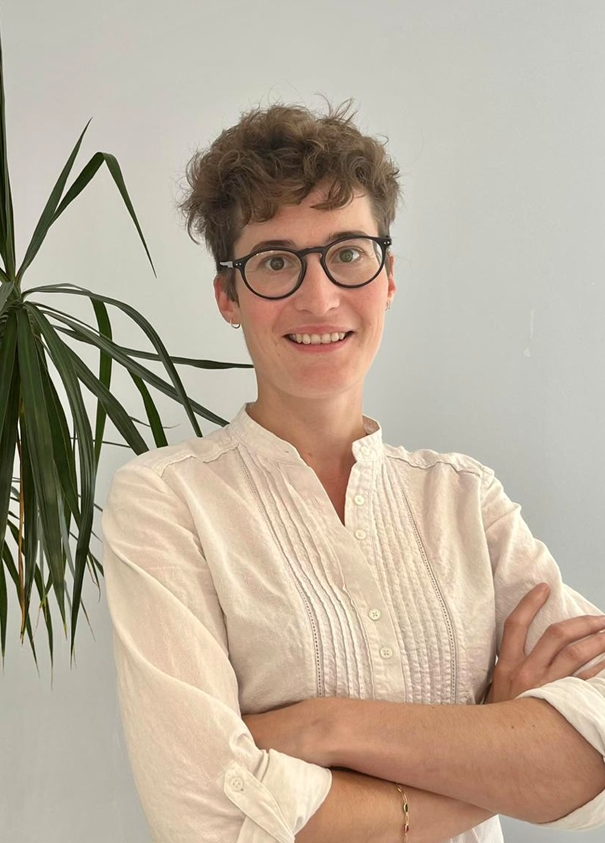
Dr. Rosa Diego Creixenti is currently a Marie Curie ADAGIO Fellow at the University of Bordeaux (UBx). She earned her Bachelor's degree in Chemistry from the University of Barcelona (UB) in June 2015, with a six-month stint abroad at Uppsala University in Sweden during her undergraduate studies. Her primary focus during her exchange program was Organic Synthesis at the Biomedicinskt Centrum (BMC). Following this experience, she joined Dr. Sascha Ott's group at Ångström Laboratory, where she worked on her BSc. Degree project titled "Development of tungsten-free phospha-Wittig reagents." Subsequently, she completed a summer internship in the Organic Department of the University of Barcelona as a boarding student, where she was involved in synthesizing the antitumor compound C75. Afterward, she pursued a master's degree in Organic Chemistry at UB and successfully completed her MSc. Project in July 2016. Her project was related to the synthesis C75 derivatives with potential applications in the treatment of obesity, under the guidance of Dr. Paul-Lloyd Williams. Expanding upon her proficiency in organic synthesis, she became a member of the GMMF group, where her research centered on exploring the magnetic properties of molecule-based materials, facilitated through a systematic approach to ligand design. In 2022, she successfully completed her PhD in Nanoscience at UB under the guidance of Prof. Guillem Aromí and Prof. Jordi Garcia. Her research primarily focused on the design, synthesis, and investigation of coordination complexes with Spin Crossover and Single-Molecule Magnet properties. After completing her PhD, Dr. Creixenti worked as a Postdoctoral Researcher in Prof. Eva Rentschler group at Johannes Gutenberg University Mainz in 2020, contributing to various research projects, including the investigation of hybrid interfaces between SMMs and metallic surfaces.
Project
Development of a new generation of High-Performance 2D Conductive Magnets by the rational design of coordination polymers (CPs) containing abundant metallic ions and low-cost redox-active ligands, leading to strong magnetic exchange interactions between the spins, which in turn generate magnetic ordering at high temperatures (i.e. above 77 K). The first step consists of preparing 2D CPs in-situ. The use reducing metals (e.g., Cr, V, Ti, etc.) than could lead to the ligand reduction. The post-synthetic reduction of the resulting materials will be also explored if necessary. By in-situ or post-synthetic chemical reduction of metal-organic compounds, the CPs can be functionalized conveniently and even confer multifunctionality due to the combination of magnetism and electrical conductivity in a single material. The obtained compounds will be chemically and physically characterized and studied with a complete set of characterization techniques (IR, SCXRD, PXRD, XAS, XMCD, SQUID, TGA, EC). Fabrication of functional molecule-based materials with the co-existence of electrical and magnetic properties by Additive Manufacturing (AM) technologies. The CPs will be implemented into films with specific shapes and properties by AM technologies at the BCMaterials.
Results ≡
Publications:
D. Lou, N. J. Yutronkie, I. Oyarzabal, L. Wang, A. Adak, V. L. Nadurata, R. Diego, E. A. Suturina, A. Mailman, P. Dechambenoit, M. Rouzières, F. Wilhelm, A. Rogalev, S. Bonhommeau, C. Mathonière, R. Clérac . "Self-Assembled Tetranuclear Square Complex of Chromium(III) Bridged by Radical Pyrazine: A Molecular Model for Metal–Organic Magnets." J. Am. Chem. Soc., 2024, 146, 29, 19649–19653. DOI: doi.org/10.1021/jacs.4c05756
Saber Rostamzadeh
Electronic mail
- Email Saber Rostamzadeh UBx: saber.rostam-zadeh@u-bordeaux.fr
BIO
Dr. Saber Rostamzadeh completed his Ph.D. in condensed matter and material physics in 2019 at Sabanci University with co-supervision at the Université Paris-Sud with focus on quantum nanoelectronics in Dirac materials. He then worked as a research fellow at Istanbul University and later in 2022 at the Université Paris-Saclay at the Laboratoire de Physique des Solides where his primary focus has been on investigating the electronic and thermal properties of inhomogeneous quantum materials (such as graphene, Weyl semimetals, and topological insulators) and the solid-state applications of their emergent quantum effects in mesoscopic systems.
He has received several scholarships and grants including a Lockheed Martin synergy scholarship award for his Ph.D. studies and later CNRS grants for postdoctoral research. He served as an external expert for proposals for the selection of European Cooperation in Science and Technology actions (COST) and has instructed numerous courses at both undergraduate and postgraduate levels and co-advised an MSc thesis.
Since January 2024, he has been a Marie Curie Fellow in the ADAGIO advanced manufacturing research program at the Laboratoire Ondes et Matière d'Aquitaine at Université de Bordeaux. His current research focuses on exploring the control over material properties and the application of strong light-matter interactions in topological quantum matter embedded inside a cavity, where the quantum fluctuations of the vacuum become prominent.
PROJECT
Research on quantum phases of matter and their transitions is expected to open up new possibilities for the exploitation of quantum effects in advanced engineering for technological purposes. This project focuses on exploring the emergence of new phases when topological materials interact with strong light modes which can be achieved in compact reflective geometries, such as within a cavity. The study of such interaction, referred to as cavity quantum electrodynamics (QED), unveils a range of novel phenomena, such as the condensation of polaritons and superradiance as two intriguing examples. The scope of the project is to investigate the behavior of the quantum transport signatures of these materials inside a cavity and use it in practical advanced material applications. One such objective will be to investigate conditions for superradiance that lead to lasing without inversion, and the realization of single-photon sources. These developments shape the research routes for integrating cavity QED with material engineering. The project will outcome in a classification methodology for materials that promote quantum phase transitions when strongly interacting with the quantum of light. Another outcome of the project involves constructing a comprehensive survey of the optimal quantum transport effects (including electronic, spin, or thermal) exhibited by various topological materials under the influence of intense light. This endeavor aims to design practical applications for technological purposes by capitalizing on the distinctive transport characteristics resulting from strong light-matter interaction. A further aspect of the project is to attain the control and modification of the spin degrees of freedom in magnetic systems via light in the strong coupling limits which leads to application in cavity spintronics.
Gabriele Lingua
Electronic mail
BIO
Gabriele earned Bachelor’s (2015) and Master’s degrees (2017) in Materials Science at the University of Turin, while he obtain the Ph.D. degree in Materials Science and Technology defending the doctoral thesis entitled “Newly designed single ion-conducting polymer electrolytes enabling advanced Li-metal solid-state batteries” at the Polytechnic University of Turin in June 2022.
During the Ph.D. research project under the supervision of Prof. Claudio Gerbaldi he has been focused on various research topics in the field of materials science, electrochemistry, polymer chemistry and its applications in the energy storage and conversion area. In the meanwhile, he did a secondment at the Luxemburg Institute of Science and Technology (LIST, Luxemburg), where I gained strong background in organic synthesis and polymer chemistry under the supervision of Dr. Alexander Shaplov.
Since October 2023, Gabriele has been working as a postdoctoral researcher at the POLYMAT with the innovative polymers group, under the supervision of Prof. David Mecerreyes. His research interests are focused on the development of innovative solid polymer electrolytes, physical-chemical and electrochemical characterization of electrolytes and electrode materials for application in alkali-based energy storage devices.
Project
The greatest challenges towards the worldwide success of the carbon neutralization and the green transport revolve around the safety, energy density, specific power, and cost of energy storage/conversion devices. In this context, the current project advances the development of Ion Gel PolyDES Electrolytes (IGPEs), for quasi all-solid-state energy storage/conversion technologies. The main advantage of IGPEs is the feasibility of combining advantages of both liquid and solid electrolytes simultaneously acting as flexible, safe, no leaking, green ad low-cost separator in electrochemical devices. In the frame of this research project, novel DES systems comprising DEMs will be screened and characterized to evaluate the possible application as electrolyte for proof-of-concept electrochemical cells.
Aleena Alex
Electronic mail
BIO
Dr. Aleena Alex is an ADAGIO post-doctoral fellow in the University of the Basque Country, in the Molecular Spectroscopy Group headed by Dr. Hegoi Manzano. Aleena is a computational material scientist from a Civil Engineering background, and possesses a wealth of expertise in material science, programming, classical mechanics, multi-scale modelling, computational chemistry, molecular dynamics, kinetic Monte Carlo, and nano mechanics. Beginning her research journey at CSIR-SERC, India, she pursued her Masters utilizing Molecular Dynamics (MD) to model cementitious systems. At IIT Madras, India, her PhD centered on developing a multiscale mechanical model for hydrating cement, employing computational and experimental techniques.
In May 2021, Aleena joined as a post-doctoral research associate (PDRA) at Newcastle University under the EPSRC project Engineering Microbial Induced Carbonate Precipitation (e-MICP), co-developing a novel bio-chemo-mechanical simulator handling mineral dissolution-precipitation and bacterial processes. Her research was showcased as a keynote lecture at the DMMF mini symposium (CFRAC conference). From February to August 2023, Aleena contributed to an Impact Acceleration project at Newcastle University, collaborating with Northumbria Water to explore bacterial spores' long-term activity in cement mortar. During her post-doctoral tenure, Aleena actively cultivated independent research networks and pursued grant opportunities. She participated in the Innovators training program by Northern Accelerator, focusing on research commercialization, and secured £28K seed-funding alongside fellow ECR, Dr. Xin Liu, through the Dispersed Industrial Decarbonization sandpit organized by C-DICE.
Project
Atomistic and molecular simulations have greatly aided material research. However, their implementation in cementitious materials started only in the early 2010s. This was fueled by a need to understand the chemistry, structure property relationships and transport properties of these minerals in fundamental scale and the advent of high-performance computing. After a decade of rigorous research, we currently have reliable atomistic models and forcefields for most of the cementitious minerals. We can perform reactive simulations and even accelerated dynamics on these models. Nevertheless, the timescales that can be achieved with atomistic scale investigations remain in nanoseconds. Although these investigations can provide valuable insights, they cannot directly aid or inform models or experiments at higher scales. Kinetic Monte Carlo (KMC) simulations overcome these drawbacks. Aleena will use the KMC technique to produce reliable discrete nanoparticle based molecular scale models for the dissolution and precipitation of major minerals such as C-S-H (Calcium silicate hydrate), M-S-H (Magnesium silicate hydrate), and CaCO3 (Calcium carbonate) and thus explore the carbonation of new greener concretes.
This method of modelling reactions and morphology formation in minerals has lots of advantages:
1. It works at a higher length scale compared to atomistic simulations, each discretized particle representing a molecule. The simulation box sizes can go from nanometer to sub micrometer depending on the computation capacity.
2. KMC can sample larger timescales. In KMC time is calculated as inverse of cumulative rate. Thus, depending on the likelihood of dissolution and precipitation, these simulations can sample larger timescales.
3. Coarse graining the discrete particle models to higher scales (sub-micrometer) is relatively simple and straightforward.
Radha Tomar
Electronic mail
BIO
Dr. Radha Tomar joined as a Marie Curie ADAGIO fellow at the University of Bordeaux (IECB/CBMN) in December 2023 as a Marie Curie ADAGIO fellow. She is currently employed in Prof. Gilles Guichard's research group at the IECB/University of Bordeaux. Her research work is primarily focused on the synthesis of biomimetic foldamer catalysts for asymmetric C-C bond formation reactions and applications in the synthesis of advanced intermediates. Dr. Radha’s academic background includes a degree of Bachelor of Science (B.Sc.) and Master of Science (MSc.) in Chemistry from the CCS University Meerut, India. In 2015, she passed the NET/JRF examinations and earned Research Fellowships by the Council of Scientific and Industrial Research (CSIR) of the Government of India. In 2016, she joined the research group of Prof. S. Arulananda Babu in the Chemical Sciences department of the Indian Institute of Science Education and Research (IISER) in Mohali, India. For the first two years she was a recipient of a Junior Research Fellowship (JRF) and later was upgraded to Senior Research Fellowship (SRF) for the following three years. During her SRF she was involved in mentoring junior doctoral students and lab management activities. Her research work mainly focused on the enantio- and diastereoselective C-H functionalization strategies, and direct lactamization methodology. She earned her Ph.D. in 2023 with a thesis entitled “Studies on the β-C(sp3)-H functionalization toward the synthesis of β-arylated unnatural amino acid derivatives."
PROJECT
My project centers around the exploration of enantiopure aliphatic oligoureas, a subclass of helical foldamers characterized by H-bond donor groups and a structural resemblance to the α-helical protein backbone. Initial observations from the host group at the University of Bordeaux in collaboration with researchers from EPV/EHU indicate that these helically folded oligoureas (i) feature a site for anion recognition near the positive end of the helix macrodipole and (ii) act synergistically with a Brønsted base component, promoting the Michael reaction between enolizable carbonyl compounds and nitroolefins at very low chiral catalyst/substrate ratios and with high enantiocontrol. In this project, the inherent modularity in the design of foldamers will be exploited to achieve three main objectives: (1) the engineering of foldamers with the ability to catalyze new molecular transformations with a focus on the reusability of the catalyst, (2) the exploration of mechanisms and origins contributing to the observed high selectivity and (3) the investigation of the reusability of the catalyst in the broad context of sustainable manufacturing and synthesis. The project will thus provide a strong impetus for the use of helical fodamers as chiral components of catalytic systems to investigate new, and challenging selective chemical transformations, as well catalyst recycling methods.
Raúl Bombín
Electronic mail
BIO
Dr. Raúl Bombín is an ADAGIO postdoctoral researcher under an MSCA Cofund grant, in the THEO Group of Institut des Sciences Moléculaires (ISM) at the University of Bordeaux (Ubx). He completed his Bachelor's degree in Physics at the University of Salamanca in 2014 and the following year enrolled in a Master's degree in Nuclear Physics at the same university. Between 2015 and 2019 he developed his doctoral thesis in the Barcelona Quantum Monte Carlo (BQMC) group of the Universitat Politècnica de Catalunya (UPC), supported by an FPI grant from the Spanish Ministry for the Economy. The object of the study was ultracold dipolar gases in the quantum degenerate regime, and the PhD was supervised by Professors Jordi Boronat and Ferran Mazanti. To study such systems, Quantum Monte Carlo (QMC) techniques were used. QMC allows us to evaluate the properties of the system both at finite temperature and in the zero temperature limit. Most of the work was focused on two-dimensional (2D) systems, i.e., the superfluid and supersolid phases of bosonic dipolar atoms were characterized, and the limits to the regime of universality were determined for some systems involving dipolar fermions. The later research was boosted by a research stay at the BEC-center group (University of Trent, Italy). In collaboration with experimental group in Stuttgart, an accurate prediction for the critical atom number of dipolar dysprosium droplets was given. After that, he joined the "gas/solid interfaces" group located in Donostia/San Sebastián (Guipúzcoa). The group is specialized in the study of non-adiabatic effects in reactive processes on surfaces by employing electronic structure calculations from first principles, using density functional theory (DFT). He participated in two of the research lines of the group: first, the use of two-dimensional systems, such as MoSe₂ , for gas detection and catalysis, and, secondly, the study of the vibrational linewidths CO molecules adsorbed on the surface of a transition metal. In 2022 he obtained a Margarita Salas Fellowship in which he continued his research in both ultracold gasses and cathalisis with the BQMC and gas/solid groups, respectively. Since November 2023, he has been studying the importance of quantum mechanical effects in H atom scattering from Tungsten surfaces.
PROJECT
The goal of the project is to investigate the importance of quantum effects in the dynamics of atom scattering from clean and adsorbate covered tungsten surfaces. The results of this project will be of interest for the hydrogen fusion industry as some of the plasma facing components (PFCs) of the fusion reactors will be made of Tungsten. The fusion of hydrogen isotopes to obtain energy offers a promising, clean and renewable alternative to fossil fuels. However, to produce such fusion reactions, temperatures of hundreds of millions of Kelvin are needed. Achieving those huge temperatures suppose a major challenge as it are sufficiently large to melt any known material. Nonetheless, under those conditions the fusion fuel turns into a plasma, what allows to confine it inside the reactor employing magnetic fields. This makes plasma confinement control crucial in order to develop future fusion technology. The stability of the plasma is affected by several processes related to the interaction of the hydrogen isotopes with the PFCs of the reactor, that are usually made of tungsten due to its high melting temperature. Besides that, other impurity gases that are injected into the plasma with different purposes, can affect the reactor performance. when they interact with the PFCs. A microscopic characterization of such processes, becomes mandatory in order to develop accurate plasma controlling models. In this project I study the dynamics atoms scattering with the tungsten surfaces that are relevant for the fusion technology industry. Traditionally, this has been done by means of classical molecular dynamics including different energy transfer mechanisms between the hydrogen and the surface, essentially including electronic non-adiabatic effects and excitation of vibrational degrees of freedom. However, the small mass of hydrogen atoms makes it necessary to include quantum effects in the model in order to obtain accurate predictions. To do so I employ a smart combination of quantum and classical calculations techniques, that include both quantum effects and the above mentioned energy transfer mechanisms. The result of these calculations, may be used as an input to improve current state-of-the-art plasma controlling models.
Naveen Gupta
Electronic mails
Pablo Guevara
Electronic mail
BIO
After completing his degree in Electronics Engineering from the Tecnológico de Lerdo (ITSL, Durango, Mexico), Pablo Guevara embarked on a journey of scientific exploration. In 2019, he completed his Master's and Doctoral degrees in Physics and Biomedical Engineering at the esteemed Cinvestav-IPN in Monterrey, Mexico. During this time, he immersed himself in a collaborative, multidisciplinary environment, gaining expertise in bioassays and biophysics applied to microfluidic systems. His contributions to this critical field were recognized in 2023 when he secured an MSCA COFUND Postdoctoral fellowship to further his research at the Microfluidics Cluster UPV/EHU in Spain.
PROJECT
Anticancer drugs induce cardiac diseases in patients undergoing therapy. Currently, there are no tools to evaluate cardiac risk from a new anticancer therapy. Human-induced pluripotent stem cells (hiPSCs) enable the generation of cardiac cells identical to those of the patients themselves, and it is already proven these derived cardiac cells are capable of reproducing the response of the patient versus drug. The bio-sensing platform SCADA, enable real-time, digital, specific, and dynamic measurements of cell adhesion, detachment, and staining with single-cell resolution using a small number of cells. Combining the SCADA methodology, hiPSC-derived cardio myocytes and microfluidics, we will develop an integrated testing system, termed Cardiotoxicity SCADA Instrument (CSI), to evaluate the cardiotoxicity of new developing drugs.
This is a highly multidisciplinary project combining fundamental scientific research on molecular biology, surface chemistry, microfluidics, and miniaturized optical and electronic systems.
The Microfluidics Cluster UPV/EHU in collaboration with CIMA at Universidad de Navarra and a SME will lead this project.
Ilaria Abdel Aziz

Electronic mail
BIO
Ilaria earned her M.Sc. in 2017 in Engineering Physics – Nanophysics and Nanotechnologies from the Politecnico di Milano (Italy). The experimental theses was carried out at the Italian Institute of Technology – Centre for Nanoscience and Technology (IIT-CNST) in Milano (Italy), where she was supervised by Dr. Maria Rosa Antognazza. Ilaria worked on characterizing light sensitive semiconducting polythiophenes for biological applications.
She obtained her Ph.D. in 2020 at the Politecnico di Milano (Italy) supervised by Dr. Maria Rosa Antognazza. Her thesis was focused on developing interfaces based on polythiophene materials for light controlled bioelectronics applications. During her Ph.D., she received the Graduate Student Award from the Materials Research Society, for showing a high level of excellence and distinction in academic achievements and materials research.
During the Ph.D. she spent a period at the Massachusetts Institute of Technology (MIT, USA) through a Progetto Rocca Fellowship, supervised by Prof. Peter So, where she worked on developing label free techniques for bioelectronics applications.
After her PhD, Ilaria started a postdoctoral position at the Linköping University (Sweden) supervised by Assoc. Prof. Eleni Stavrinidou., where she combined her passion for bioelectronics to plants applications, focusing her research on polythiophene conductors for drug delivery and actuation.
Since March 2023, Ilaria has been working as a postdoctoral researcher at the POLYMAT with the innovative polymers group, to develop new conducting polymers for bioelectronics and energy applications.
Project
Freshwater scarcity is one of the global challenges of our century. Promising techniques for harvesting water from the atmosphere are emerging, coupling a water harvesting unit to a storing one. Stimuli responsive water harvesting materials offer the opportunity to harvest and store water on demand. However, they have been investigated only to a little extent, using temperature as a stimulus, which is aleatory and not deterministic. This action proposes the design and development of new polymeric materials for addressable water harvesting/storing units. A conducting backbone will be functionalized with hygroscopic zwitterionic side chains, for voltage addressability, volumetric actuation, and water harvesting, respectively. Finally, a proof-of-concept device based on the developed polymers will be interfaced with living plants, to demonstrate the efficacy of the proposed approach.
Eirini Konstantinou

Electronic mail
- Email: eirinikonstant@gmail.com
BIO
Dr. Eirini Konstantinou is a Marie Curie ADAGIO Fellow at the University of the Basque Country (UPV/EHU). She received her PhD in Engineering from the University of Cambridge, UK, in 2018, with a special focus on computer vision and labor productivity, having been awarded with an Industrial Cooperative Awards in Science & Technology (CASE) PhD studentship. After the end of her PhD studies she has been working as a Postdoctoral Researcher at the University of Cambridge (2018-2020) in various research projects, including the development of policies for the construction sector, and the development of machine learning-based digital tools for improving asset maintenance management. During the period August 2020 – February 2023, she has been in a 2-year career break from research in order to undertake maternal duties, following the arrival of her first child. Her academic background also includes a Bachelor (BEng, 2001-2006) followed by a Master of Engineering (MEng, 2006-2007) in Civil Engineering, and a Master of Science (MSc, 2008-2011) in Intelligent Transportation and Construction Management Systems, from the University of Patras, Greece. In addition to her academic achievements, Dr. Konstantinou has a 5-year construction industry experience (2008 – 2013) that made her aware of the severity of work-related hazards.
Project
Aerospace manufacturing is a key European Union (EU) industrial sector, not only because of its own huge economic volume but also because it drives economic growth in many other related sectors, leads global innovation, generates high-skilled jobs, and it is substantial in providing solutions for core societal, climate and energy challenges faced by European societies. But despite all its positive contribution to EU wealth and job-creation, the aerospace manufacturing sector remains a high-risk environment for its workers. The improvement of working conditions is of primary concern for the European Commission. This “Digital twins for occupational health risk assessment of advanced aerospace manufacturing processes” (or DI-RISK) project is strictly aligned with the overall aim of the EU Occupational Safety and Health (OSH) Strategic Framework 2021-2027, and in particular with its second crosscutting objective of improving prevention of work-related accidents and illnesses. DI-RISK project will develop a deep learning-based health and safety risk assessment framework that aims to assess those risk factors affecting aerospace engineers or workers, overcoming the discomfort and the lack of accuracy of existing methods. This project will also contribute significantly towards reducing the gender gap in the manufacturing sector, taking into account in all its algorithms the gender differences in appearance by using data consisting of both males and females, even if this industry is a historically male-dominated working environment. By promoting new technologically-enabled methods that ensure a safer working environment, DI-RISK might also increase the interest of women to participate in such working environments.
Mehrab Madhoushi
Electronic mail
- Email: mehrab.madhoushi@ehu.eus
Biography
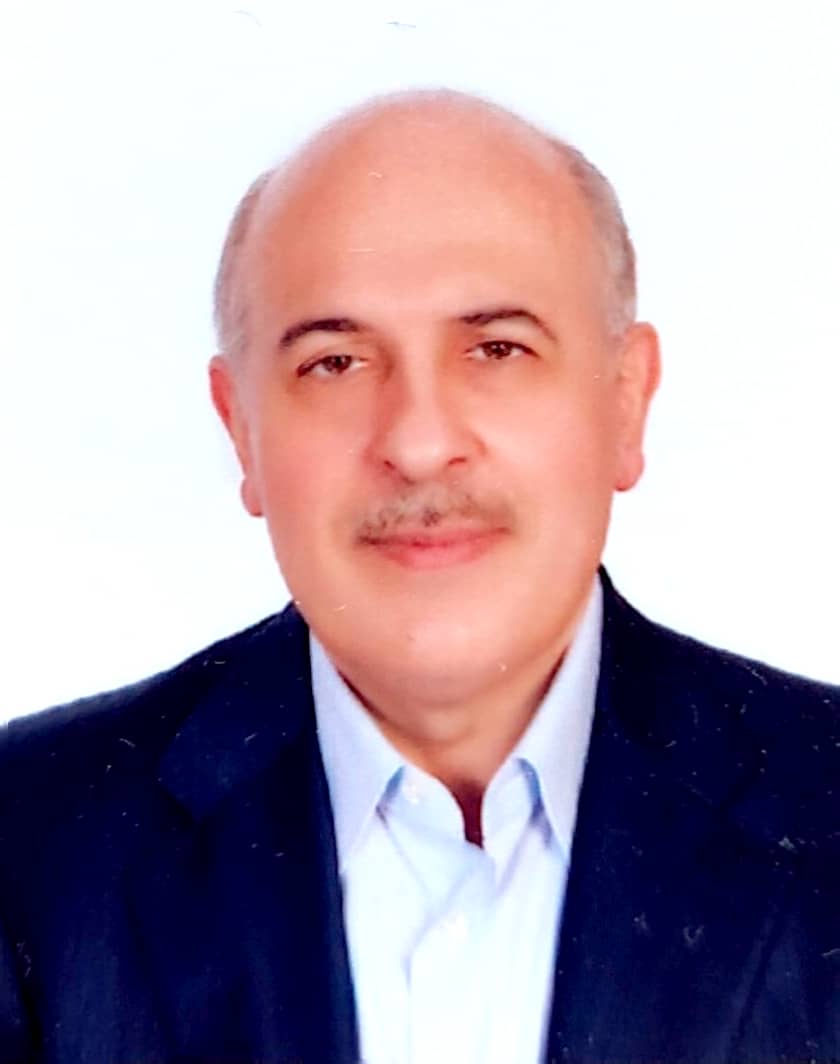
Mehrab Madhoushi received his PhD from the University of Bath, UK, in the field of renewable materials engineering with focus on mechanical and structural performance of wood and natural fibre composites. Then, he has worked as a faculty member, in Iran, mainly in the field of sustainable design and applications of green and sustainable materials for mechanical aspects and force loading purposes, nondestructive monitoring and structural health assessment of composites. Sustainable design of high performance materials through environmentally friendly approaches is the cores of his academic activities. He has taught several courses in undergraduate and postgraduate levels, and was supervisor of 10 PhD students and 35 MSc students for their thesis. He attended at several international conferences and workshops and spent a sabbatical leave in Canada. He has participated in 65 peer-reviewed publications, with more than 45 as corresponding author, 80 conference papers, 3 patents and 3 books. He was the main investigator of some external grants, and also was professional consultant for some local industries. He is currently a ADAGIO Senior Fellow at UPV/EHU and is working on development of mechanochromic materials in PLA-NCC composites.
Project
“Smart cracking monitoring” of materials through advanced “self-reporting materials” is a new research line and emerging technology. It may be employed for advanced applications in numerous industries and medicine, where lack of knowledge of the initiation of damages in materials under forces and/or real environmental conditions might lead the complete failure of materials and consequently to undesirable and sometimes irreparable results. Hence, research on the application of mechanochemistry and “mechanochromic materials”, with the capability of force-responsive behaviour, has been recently developed into a vibrant interdisciplinary field and technological usefulness of materials that translate mechanical inputs into optical outputs. It is based on changing of colour of materials during mechanical stress and reporting the primary cracks in composites. This project is a knowledge-based approach for producing a new class of materials and is identified as a cost effective and efficient method for the purposes of self-reporting of damage in green composites. In this project, poly(lactic acid)-nanocrystalline cellulose (PLA-NCC) as a green composite will be prepared in combination with mechanochromic materials. The properties and performance of the prepared composites, will be investigated using characterization techniques and mechanical loading in order to study the capability of self-reporting materials for damage demonstration in PLA-NCC. The output data will be considered and verified to develop prediction models for composite properties and cost-effective production. Moreover, the life cycle assessment of composite will be evaluated for the environmental aspects. Without a doubt, for Industry 4.0 in the future, this project may be a starting point and provide fundamental knowledge and data for next research projects, particularly in machine learning, internet of things and remote sensing of damages in composites for different applications.
Lucas Polo da Fonseca
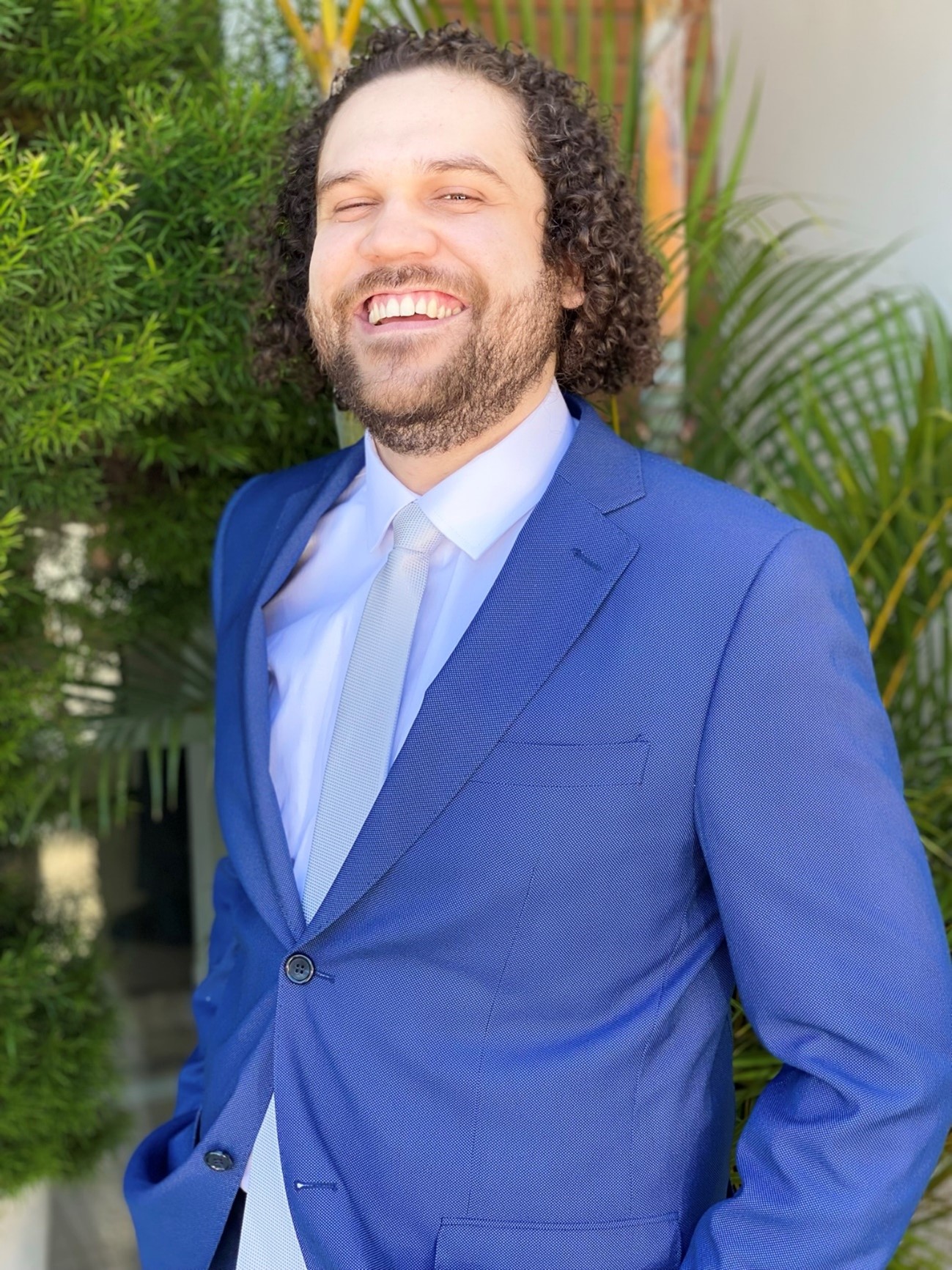
Bio
Lucas started his research career as an undergraduate researcher in the group of professor Dr. Maria Isabel Felisberti at University of Campinas in December 2012, in the first year of his studies of bachelor’s degree on chemistry. His first undergraduate fellowship (FAPESP) was granted in August 2013. Under his undergraduate research period with Dr. Felisberti as advisor, Lucas was granted fellowships of FAPESP, CNPq, or CAPES, and developed extensive research on polyurethanes, polymer synthesis, and polymer/colloid physical chemistry, producing 2 papers as first author. He then joined the group of professor Felisberti as a Ph.D. student in August 2017 with a CAPES fellowship, with a challenging primary project of developing a controlled polymerization route for polyurethanes. As secondary projects, Lucas continued working with polymer colloids for the purpose of bioapplications. Both primary and secondary projects combined yielded Lucas 6 scientific publications as first author, and 1 as co-author, in well recognized peer-reviewed international journals, and 1 granted Brazilian patent. Today, Lucas conducted research on improving the synthetic routes developed in his Ph.D., developing new controlled synthetic routes for polyurethanes, and applying those routes together with additive manufacturing for the purpose of developing advanced biomaterials for drug delivery/tissue engineering.
Project
Additive manufacturing (3D-printing) technologies are of great interest to the field of biomaterials due to the possibility of producing materials of distinct shapes with high resolution. However, often human tissue presents several levels of structural organization, in the macroscopic, microscopic, and nanoscopic range. As one of the materials with highly tunable rheological/mechanical properties in the form of hydrogels, polyurethanes are very promising for tissue-engineering, however, due to the lack of control over their polymerization, the control over micro/nanostructure is impossible. Therefore, this project has the goal of first developing a controlled polymerization route for polyurethanes, starting from previous developments achieved by Dr. Lucas in his Ph.D. studies. With the development of these new synthetic routes, stimuli-responsive (4D-printed) PU hydrogel-based scaffolds with precise control over micro/nanostructure will be produced for use as biomaterials. Additionally, the influence of micro/nanostructure on the performance of such biomaterials will be addressed.